Test report DSG-3469 · Rev B · tested October 13, 2026
Foundries & ManufacturingDevice under test
Tata chief calls semiconductors fundamental as Assam plant advances
The Tata group chief has called semiconductors "fundamental", reaffirming the company's chip push as its planned semiconductor plant in Assam advances.
- Read
- 3 min
- Words
- 507
- Node
- 5nm
- Operator
- Marcus Bennett
Spec summary
- The Tata group chief described semiconductors as "fundamental".
- A Tata semiconductor plant is taking shape in Assam.
- The remarks tie the group's chip commitment to India's national semiconductor push.
- The report does not specify construction milestones or production timelines.
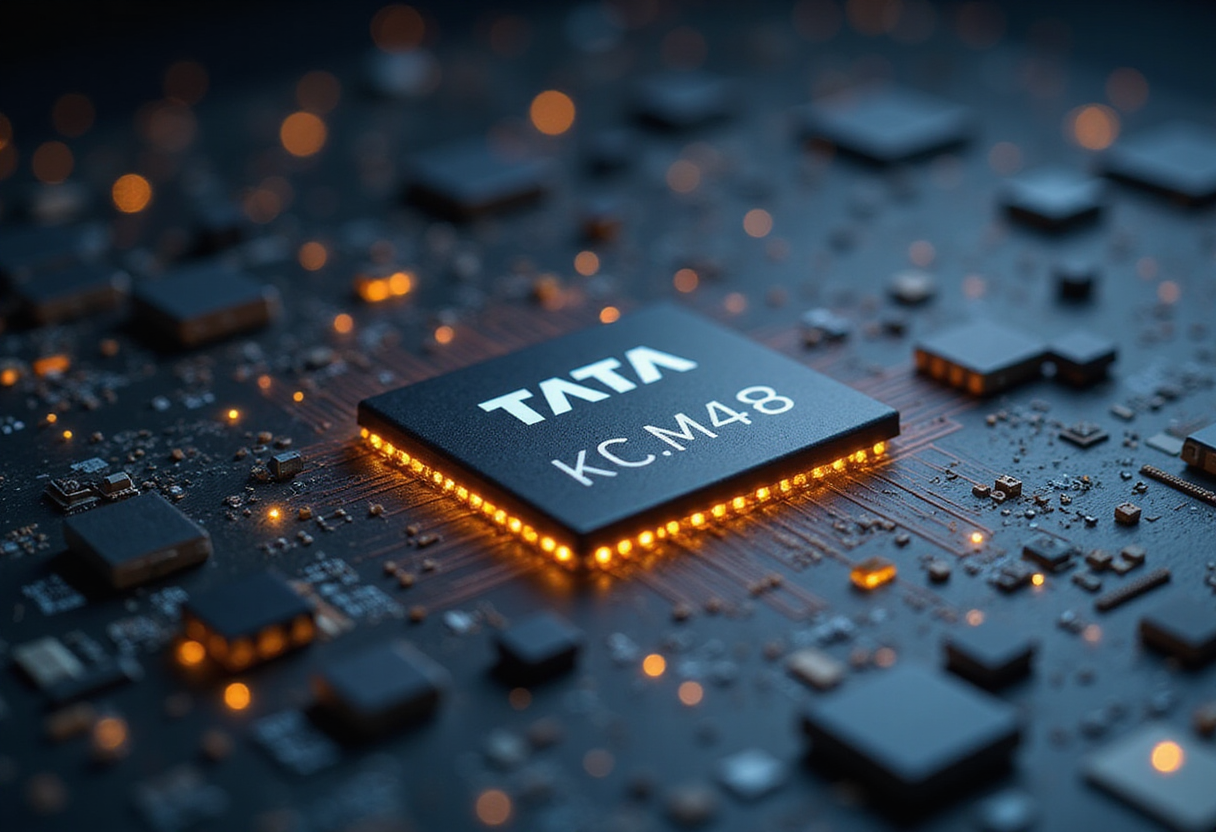
The head of the Tata group has described semiconductors as "fundamental", publicly backing India's domestic chip push as the group's planned assembly plant in Assam moves toward construction.
The chairman's remarks, reported by The Assam Tribune, tie together two threads of the country's industrial policy: the national ambition to build a domestic semiconductor ecosystem, and the effort to spread advanced manufacturing beyond the traditional hubs in western and southern India.
Why does the chairman's language matter?
Calling semiconductors "fundamental" is a statement about dependency, not just opportunity. Chips sit inside everything from cars to payment terminals. An economy that imports all of them carries supply-chain risk that no tariff policy can fully offset.
The Tata group has positioned itself as the flagship private participant in India's chip programme. When the group's top leader repeats that commitment in public, it signals the programme still has corporate backing at the highest level — and that state-level sites such as the Assam facility remain part of the plan rather than a footnote to it.
What is happening in Assam?
According to the report, a Tata semiconductor plant is taking shape in Assam. The project is the concrete anchor of the story: a manufacturing facility in a state with no history of chip production, part of the broader effort to bring advanced electronics work to India's northeast.
The mechanism is straightforward. A large industrial group commits capital and engineering capacity. The state government supplies land, power and permits. The central government supplies policy support through its national semiconductor incentive framework. The combination is what turns a headline about a plant into an actual facility.
What does this change for India's chip strategy?
For the strategy itself, the practical question is credibility. Semiconductor plants require long timelines, large capital commitments and specialised workforces. A single public endorsement does not build a fab. But sustained statements from the group's leadership, paired with visible progress at a site such as Assam, are what investors and suppliers watch when deciding whether the Indian programme is durable.
For Assam specifically, the stakes are regional. Advanced manufacturing plants bring direct construction and operations jobs, but their larger effect is the supplier network that grows around them — packaging, testing, logistics, and technical training at local institutions.
What remains unknown?
The report carries the chairman's endorsement and confirms the Assam project is progressing. It does not specify current construction milestones, production timelines, or the specific chip processes the plant will handle.
Those details will determine the plant's real market impact. An assembly and packaging operation serves a different segment of the supply chain than a full fabrication facility, with different capital costs and different skill requirements.
For now, the signal is directional. India's largest conglomerate continues to state that chips are fundamental to its industrial future, and it continues to put money and a site in Assam behind that statement. The rest of the industry will judge the programme by what rises from the ground.
via Google News: Semiconductor supply chain (Source)
More from Marcus Bennett
Show full bio
News editor covering regulation, policy and their impact on hardware layer of artificial intelligence at Die Signal.
325 articles
Same lot · LOT-C1C9
- DSG-867645nmTata Electronics and Besi Partner on Advanced Semiconductor Packaging in India
- DSG-49307nmTata Electronics Begins Pilot Production at Assam Semiconductor Plant
- DSG-30443nmTata Electronics and Sumitomo Chemical Link on India Semiconductor Supply
- DSG-74535nmIndia outlines push to build end-to-end semiconductor supply chain
- DSG-884745nmTata chief flags hurdles in India chip push, urges global ties