Test report DSG-6189 · Rev F · tested October 15, 2026
Foundries & ManufacturingDevice under test
TSMC Shares Fall Despite Record Profit and AI Demand
TSMC reported record profit and called AI chip demand "extremely robust," yet its stock sank. The market's verdict and the company's numbers now point in opposite directions.
- Read
- 3 min
- Words
- 565
- Node
- 7nm
- Operator
- Priya Raman
Spec summary
- TSMC reported record profit in its latest earnings announcement
- Management described demand for AI chips as "extremely robust"
- TSMC shares sank following the earnings news despite the record result
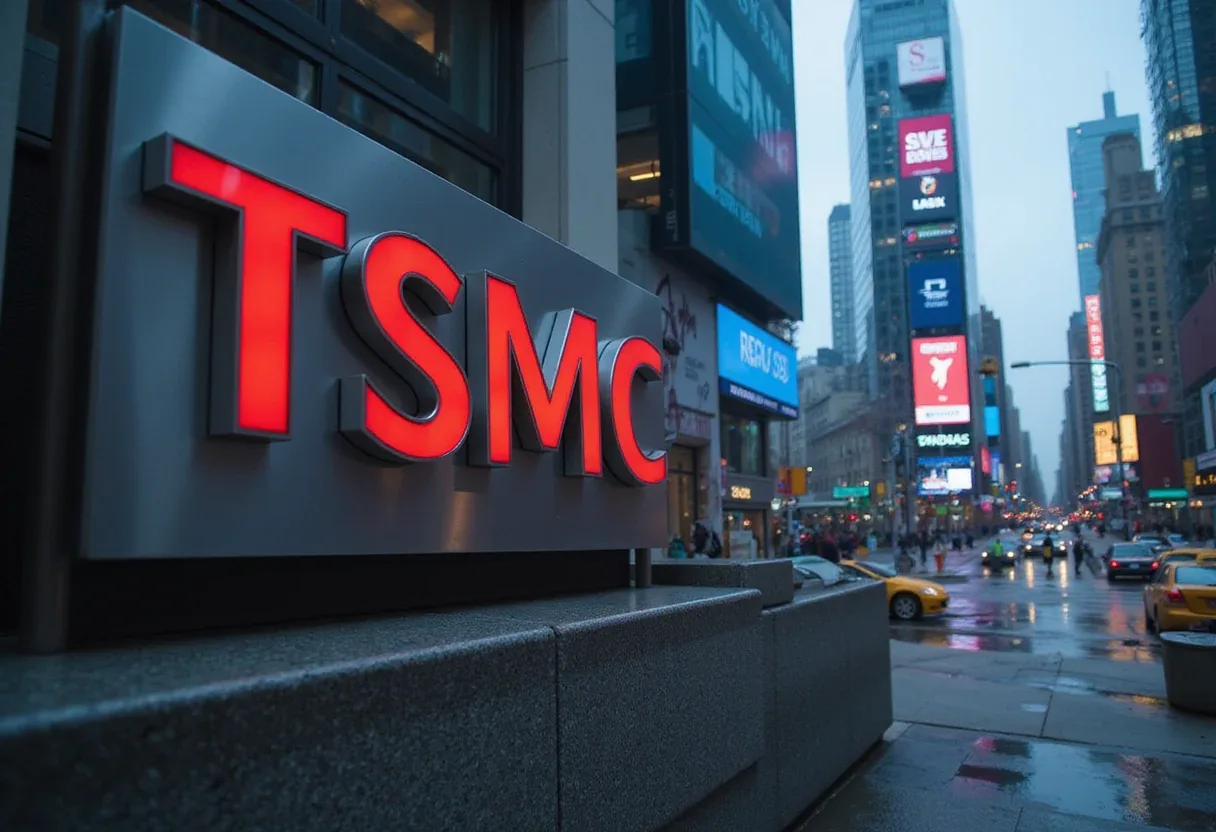
TSMC's stock fell even though the company reported record profit and described demand for AI chips as "extremely robust demand." The sell-off followed the earnings announcement, and it signals that record numbers alone no longer satisfy the market.
By Priya Raman
Why did the stock fall after record profit?
The contradiction is the story. TSMC posted its highest-ever profit, cited strength in artificial-intelligence silicon, and investors still sold. That pattern is common when results, however strong, fail to exceed expectations already priced into the shares.
The company itself used unambiguous language. Management characterized demand for AI chips as "extremely robust," a phrase that leaves little room for hedging on the demand side.
Yet the share price declined. The market, in effect, discounted the superlatives.
What do we actually know from the announcement?
The confirmed facts are narrow and should be listed plainly:
- TSMC reported record profit.
- Management described AI chip demand as "extremely robust."
- The stock sank following the news.
Everything else in the coverage framing — implied forecasts, margin assumptions, capital-expenditure guidance — remains unstated in the reporting available. That absence matters. A sell-off after record profit usually has a second cause, and the headline alone does not disclose it.
What is not being said?
Here the skeptic's discipline applies. Record profit plus falling shares typically means one of three things: guidance disappointed, margins face pressure, or the valuation had already absorbed the good news. The report does not specify which.
Investors should read the phrase "extremely robust demand" carefully. Robust demand is not the same as robust pricing, robust margins, or robust shareholder returns. Demand can remain strong while unit economics weaken, and a headline superlative does not settle that question.
TSMC occupies an unusual position in the AI supply chain (the network of suppliers that turns chip designs into physical silicon). Nearly every major AI accelerator design depends on its fabrication plants. That concentration makes the company a proxy for the entire sector's health, and it makes its stock reactions a signal for competitors, customers, and equipment suppliers alike.
How should investors read the divergence?
One comparison frames the situation. Record profit meeting a falling share price is like a restaurant earning its best revenue ever while tables empty out — the accounts describe the past, the price describes expectations for the future.
The market prices what comes next, not what was reported. If TSMC's best-ever quarter cannot lift the stock, investors are implicitly questioning one of two things: the durability of AI chip spending, or the multiple they are willing to pay for it.
Neither question is answered by the profit figure itself.
What happens next?
Watch the company's forward statements rather than its backward results. Specific disclosures will matter more than adjectives: capital-expenditure plans, pricing arrangements with major AI customers, and any management commentary on order visibility beyond the current quarter.
The phrase "extremely robust demand" sets a high bar. Companies that use superlatives in earnings materials create expectations that subsequent quarters must clear. Any softening in that language, even without a numeric decline, would itself be information.
For now, the record profit stands as fact, the demand description stands as management's characterization, and the share decline stands as the market's verdict. Three statements, each true, pointing in different directions.
The tension between them is the story worth following.
via Google News: AI chip (Source)
More from Priya Raman
Show full bio
Correspondent covering money, funding and market shifts around hardware layer of artificial intelligence at Die Signal.
374 articles
Same lot · LOT-C1CB
- DSG-599945nmTech Selloff Deepens Despite Record TSMC Profit
- DSG-383510nmTSMC Q3 profit jumps 69% to record, beating expectations
- DSG-898210nmRecord Profits at Samsung and TSMC Signal the AI Trade Is Intact
- DSG-22543nmTSMC Slides 3% Despite Record Quarterly Profit
- DSG-108814nmTSMC Posts Record Profit for Sixth Straight Quarter on AI Demand