Test report DSG-6712 · Rev C · tested October 16, 2026
Foundries & ManufacturingDevice under test
TSMC deal could slow Musk's Terafab, US suppliers still see upside
A TSMC supply agreement could delay Elon Musk's planned Terafab chip facility by absorbing scarce fab capacity, while steering new equipment orders to US suppliers, Digitimes reports.
- Read
- 2 min
- Words
- 344
- Node
- 7nm
- Operator
- Amara Osei
Spec summary
- A TSMC deal could slow construction of Musk's planned Terafab semiconductor facility, Digitimes reports.
- US equipment suppliers still expect upside from orders generated by the TSMC agreement.
- The TSMC commitment absorbs scarce fab construction capacity, equipment output and process engineers.
- No revised completion date for the Terafab project was stated in the report.
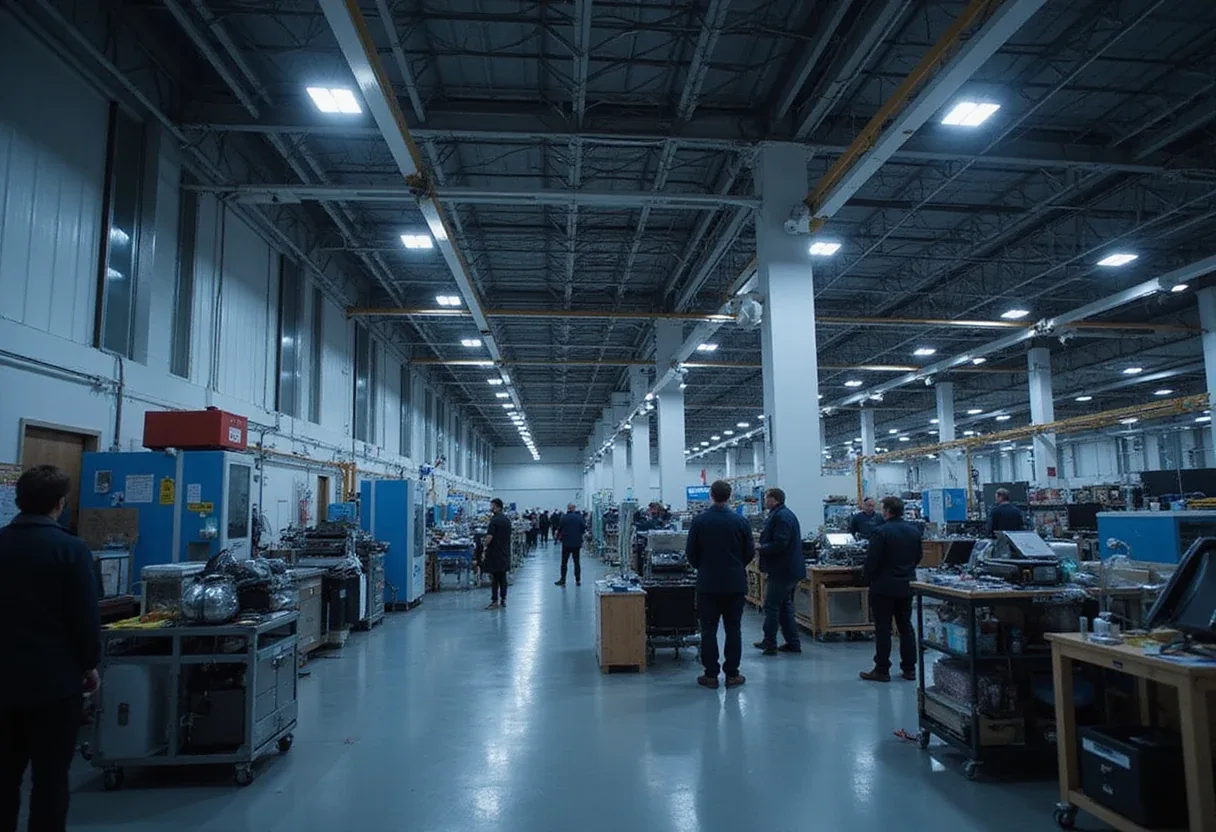
A TSMC supply deal could slow construction timelines for Elon Musk's planned "Terafab" semiconductor facility, according to a Digitimes report — yet US equipment suppliers still expect net gains from the arrangement.
The report frames the situation as a trade-off: capacity and engineering resources committed to the TSMC agreement reduce what is available to Musk's ambitious fab project, but the same deal channels new orders toward American tool and materials vendors.
What does the TSMC deal change?
TSMC, the world's largest contract chipmaker, stands at the center of the report's analysis. Any large-scale commitment it makes absorbs a finite pool of:
- Fab construction capacity
- Semiconductor equipment output
- Skilled process engineers
A project on the scale of Musk's Terafab — a facility concept sized far beyond a conventional wafer plant — requires exactly those scarce inputs. When TSMC locks in supply and staffing, competing projects queue behind it.
In short: the deal tightens an already constrained build pipeline.
Why do US suppliers still come out ahead?
The upside identified in the report rests on where TSMC's money flows. Expanding foundry operations means purchasing more equipment, and a substantial share of that tooling originates from US manufacturers.
So even as Musk's timeline stretches, the same capital expenditure generates orders for American suppliers of lithography-adjacent hardware, process tools and fab infrastructure.
The takeaway: one project slows, another supply chain accelerates.
What is at stake for Musk's Terafab?
Musk has positioned the Terafab concept as a step-change in chip production scale, tied to the compute demands of Tesla's AI and robotics programs. The report does not state a revised completion date, but its framing is clear — priority access to foundry partners and equipment now sits partly with TSMC.
For a project that depends on securing scarce fab capacity early, that sequencing matters more than any single technical hurdle.
The report's bottom line: the TSMC deal redistributes near-term opportunity toward US suppliers, even as it pushes Musk's fab ambitions further down the calendar.
By Amara Osei
via Google News: TSMC (Source)
More from Amara Osei
Show full bio
Staff writer covering money, funding and market shifts around hardware layer of artificial intelligence at Die Signal.
400 articles
Same lot · LOT-C1CC
- DSG-699420nmTSMC to Spend Up to $64 Billion — and It Still 'Isn't Building Enough'
- DSG-35743nmAnalyst: Musk Chip Fab Plan Poses No Near-Term Threat to TSMC
- DSG-352514nmGlobalFoundries Secures $2 Billion TSMC Deal for US AI Chip Packaging
- DSG-473045nmGlobalFoundries to Supply TSMC With US-Made Packaging in $2B Deal
- DSG-46197nmTSMC's Quarterly Chipmaking Tool Requirements Nearly Doubled in 2025