Test report DSG-7643 · Rev D · tested October 15, 2026
Memory & StorageDevice under test
Micron Opens Second Taichung Facility; 2027 HBM Output Sold Out
Micron opened a second Taichung packaging and test site, and its entire 2027 HBM capacity is already sold out — a two-year demand signal for AI memory.
- Read
- 2 min
- Words
- 331
- Node
- 65nm
- Operator
- Elena Vasquez
Spec summary
- Micron opened a second packaging and test facility in Taichung, Taiwan.
- Micron's entire HBM capacity for 2027 is fully sold out.
- The announcement pairs new back-end capacity with demand committed roughly two years ahead.
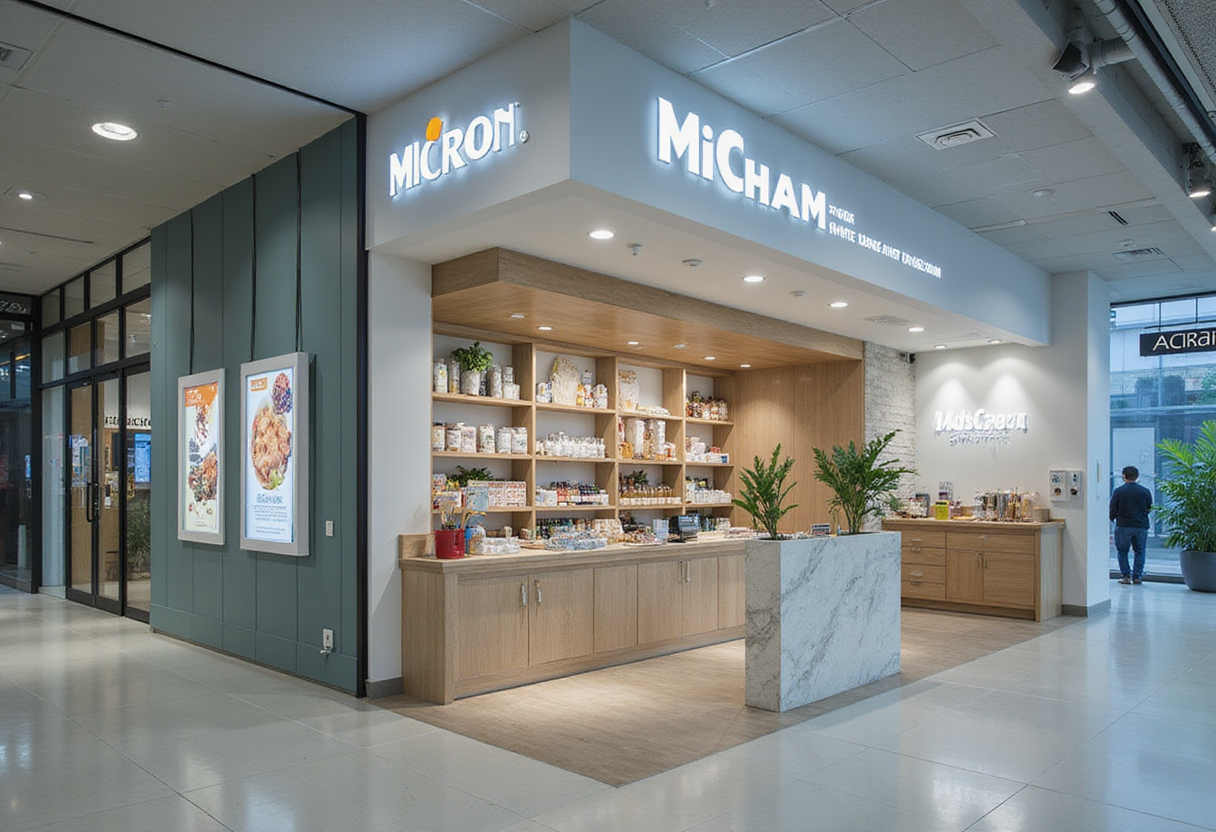
Micron has opened a second packaging and test facility in Taichung, Taiwan, and says its entire high-bandwidth memory (HBM) capacity for 2027 is already sold out. That's the headline from the company's announcement, and it says a lot about where the memory market is heading.
For practitioners, the Taichung addition matters because packaging and test — not wafer fabrication — is the current bottleneck in HBM supply. Stacking DRAM dies into HBM modules is capital- and process-intensive, so a second dedicated site directly expands the segment of the pipeline that customers are fighting over.
What does full 2027 sellout actually mean?
An order book that stretches to 2027 tells you demand is being committed roughly two years ahead of delivery. Buyers of AI accelerators — the main consumers of HBM — are effectively locking in memory supply before the chips that use it are even built.
It also shifts pricing power. When capacity sells out that far in advance, memory vendors negotiate from strength, and spot availability for anyone outside those agreements shrinks toward zero.
Why Taichung, and why now?
Micron already runs one packaging and test operation in Taichung. Doubling down there concentrates the back-end of HBM production in a single Taiwanese cluster, which shortens logistics loops and lets process engineers move between sites.
For Taiwan's broader position, the move reinforces the island's grip on advanced memory packaging — a role that sits alongside its better-known dominance in foundry work.
What should buyers and planners take from it?
If you're sourcing HBM-adjacent systems, a sold-out 2027 book means lead times and pricing conversations need to happen now, not next cycle. If you're watching the competitive picture, expect rivals to chase the same long-term commitments from the same limited pool of customers.
A second facility also signals Micron expects the HBM demand curve to hold through at least 2027 — companies don't fund back-end capacity for a market they think will cool.
via Google News: HBM memory (Source)
More from Elena Vasquez
Show full bio
Senior reporter covering people, launches and day-to-day practice in hardware layer of artificial intelligence at Die Signal.
379 articles
Same lot · LOT-C1CB
- DSG-741010nmAll of 2027's Memory Supply Is Booked, DRAM and HBM Sold Out
- DSG-912445nmSamsung, SK Hynix and Micron Have Sold Out Memory Supply Through 2027
- DSG-315914nmMicron: 75% of 2027 Memory Supply Already Committed, CEO Says
- DSG-433520nmMicron raises 2027 HBM prices after missing 2026 surge
- DSG-90945nmMicron CEO: Memory Shortage Has No End in Sight, Will Probably Get Worse