Test report DSG-7983 · Rev D · tested October 12, 2026
Memory & StorageDevice under test
Humanoid Robots Eyed as Next Driver of Memory Chip Demand
Memory chip makers view humanoid robots as the candidate next demand driver, Korea JoongAng Daily reports, though no volumes or timelines accompany the thesis yet.
- Read
- 3 min
- Words
- 613
- Node
- 45nm
- Operator
- Marcus Bennett
Spec summary
- Korea JoongAng Daily reports humanoid robots are eyed as the next driver of memory chip demand
- The report contains no volume forecasts, timelines, or revenue figures for the robotics demand thesis
- Memory industry attention follows prior demand waves from PCs, smartphones, and data-center servers
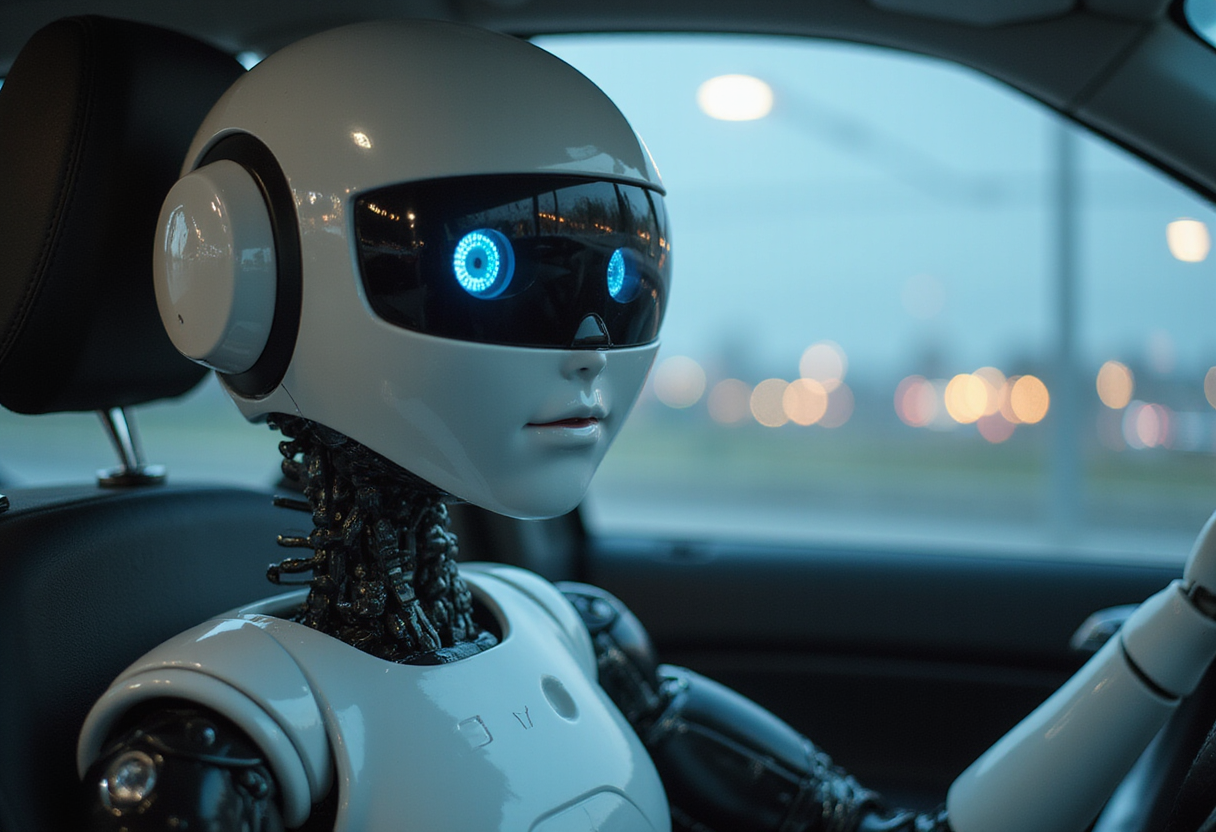
Memory chip makers and market analysts are increasingly identifying humanoid robots as a candidate for the next major source of demand growth, according to a report by Korea JoongAng Daily.
The report frames humanoid robotics as the potential successor to the demand cycles that have previously driven the memory semiconductor market. It does not, however, attach specific volume forecasts, timelines, or revenue figures to that expectation — the interest it describes is directional rather than quantified at this stage.
Why does this matter for the memory market?
The memory industry has historically moved in large waves tied to successive computing platforms. Personal computers, smartphones, and data-center servers each pulled enormous volumes of DRAM and NAND across successive generations of products.
Each transition mattered because memory demand is highly concentrated: a handful of end markets account for the bulk of bit shipments, so the emergence of a new platform class can shift capacity planning, capital expenditure, and pricing dynamics across the whole supply chain.
Humanoid robots fit the profile of a platform that would consume memory at scale. Autonomous physical machines require continuous sensing, perception, and decision-making, workloads that depend on high-bandwidth memory and fast storage close to the compute elements that run them.
What does the industry actually expect?
According to the report, the expectation is prospective. Key points:
- Humanoid robots are being discussed as a candidate next demand driver, not a current one.
- The assessment comes amid industry efforts to identify where post-smartphone, post-server memory growth will originate.
- No production volumes, design-win announcements, or supplier commitments accompany the report.
This places robotics in the same category earlier platform hypotheses occupied before they matured: a plausible demand thesis awaiting concrete product cycles and order visibility.
How would robots consume memory differently?
While the report does not break down technical requirements, the workload profile of humanoid robots differs from that of phones or servers in ways relevant to memory suppliers:
- Real-time sensor fusion from cameras, microphones, and tactile inputs generates sustained data throughput.
- On-device inference for balance, locomotion, and manipulation favors low-latency, high-bandwidth memory near the robot's processors.
- Local storage needs grow if robots must operate without continuous cloud connectivity.
If humanoid robots reach mass deployment, these characteristics would translate into demand not only for conventional DRAM and NAND but potentially for the high-bandwidth memory classes currently associated with AI accelerators.
What is the current state of the signal?
For now, the signal is informational rather than transactional. The report describes industry attention — an assessment of where future demand may come from — without reporting signed supply agreements, capacity reservations, or specific chip orders tied to robotics programs.
That distinguishes the current phase from the demand cycles that preceded it. Smartphone-driven memory growth was visible in design wins and shipment data before analysts consolidated the thesis. Data-center and AI-driven growth announced itself through supplier earnings disclosures and capacity commitments.
The robotics thesis has not yet produced equivalent evidence. What the Korea JoongAng Daily report captures is the industry scanning the horizon for the next such cycle and settling, at least in discussion, on humanoids as a leading candidate.
What should readers watch next?
Concrete indicators that would move the robotics thesis from speculation to market factor include:
- Public memory-supply agreements with robotics manufacturers
- Volume production announcements from humanoid robot makers
- Supplier capital-expenditure commentary citing robotics demand
- Device-level memory specifications published for shipping humanoid platforms
Until those appear, the report stands as a marker of strategic attention: memory industry participants are positioning the question of humanoid robots as central to their demand outlook, even though the numbers remain unwritten.
via Google News: DRAM chip (Source)
More from Marcus Bennett
Show full bio
News editor covering regulation, policy and their impact on hardware layer of artificial intelligence at Die Signal.
311 articles
Same lot · LOT-C1C8
- DSG-55373nmHumanoid Robots to Drive 20-Fold DRAM Demand Jump by 2030
- DSG-748065nmSamsung and SK Hynix Target Humanoid Robots as Next Growth Market
- DSG-993765nmHumanoid Robots Demand Specialized Non-Volatile Memory at the Edge
- DSG-829114nmMicron Forecast Tops Estimates on Booming AI Memory Demand
- DSG-411010nmMicron Posts Record Q4 Revenue, Beats Forecasts on AI Demand