Test report DSG-9062 · Rev E · tested October 19, 2026
AI Datacenter InfrastructureDevice under test
Goldman Sachs flags ROI test for China's AI data centre boom
Goldman Sachs warns China's AI data centre boom faces a return-on-investment test as financing costs rise, shifting focus from build speed to project economics.
- Read
- 2 min
- Words
- 439
- Node
- 28nm
- Operator
- Marcus Bennett
Spec summary
- Goldman Sachs says China's AI data centre boom faces a return-on-investment test
- Rising financing costs are driving the reassessment of project economics
- Warning was reported by The Economic Times
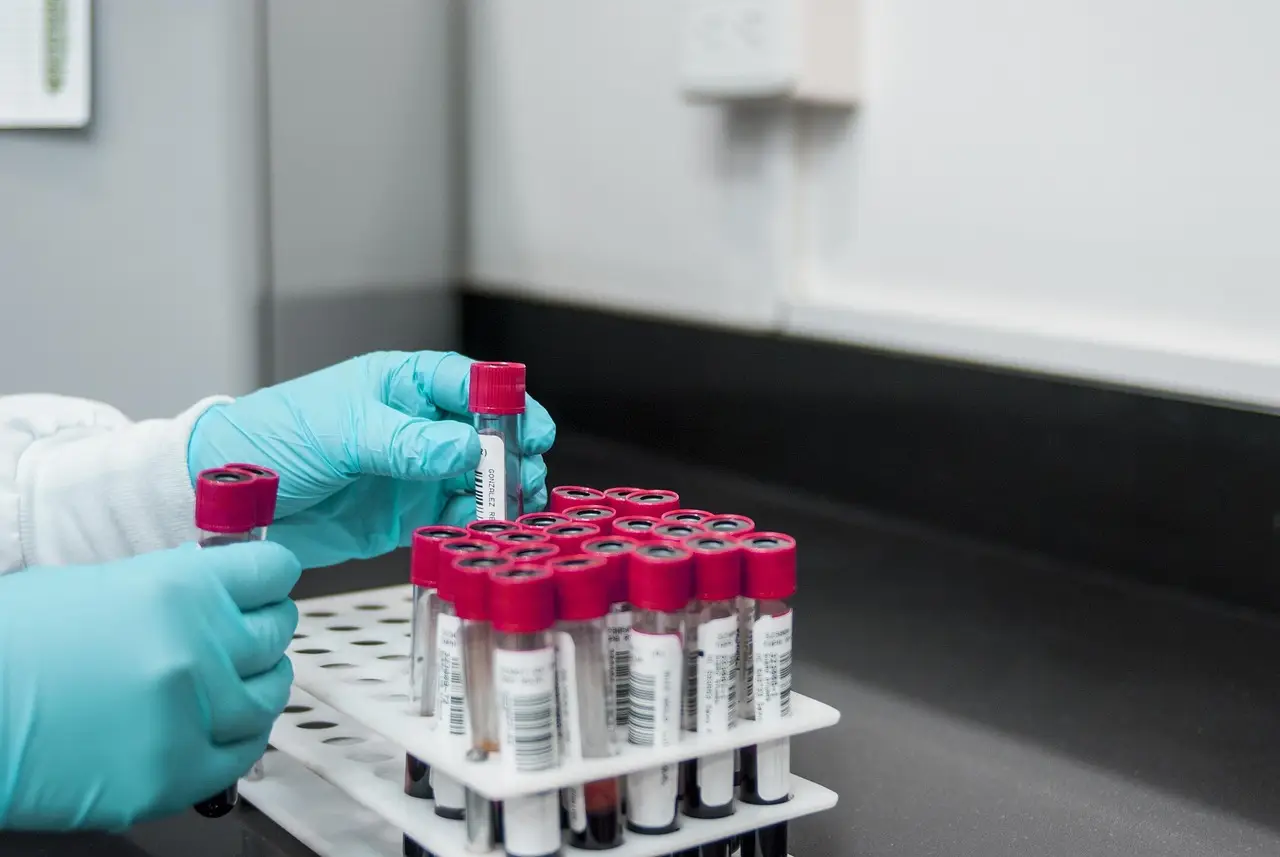
Goldman Sachs has warned that China's AI data centre construction boom now faces a return-on-investment test as financing costs climb.
The bank's assessment, reported by The Economic Times, shifts attention from build speed to economics. China has been adding AI compute capacity at a rapid pace. The question is no longer whether the facilities get built. It is whether they earn back the capital spent on them.
Rising financing costs are the trigger. Borrowing money to build data centres has become more expensive, and that changes the arithmetic of every project on the drawing board.
What does this change for operators?
Higher financing costs squeeze margins. Data centres are capital-intensive assets. They demand large upfront spending on land, power, cooling and servers before a single yuan of revenue arrives.
When debt costs rise, the payback period stretches. Projects that cleared hurdle rates a year ago may no longer clear them. That forces operators to make harder choices:
- Recheck projected utilisation rates before committing capital
- Renegotiate or delay projects with weak demand visibility
- Prioritise sites with anchor tenants over speculative builds
The mechanism is simple. A data centre earns revenue by selling compute and hosting capacity over many years. Its investors earn a return only if revenue comfortably exceeds operating costs plus debt service. Every increase in the interest rate raises the debt-service line and lowers the net return.
Why the boom reached this point
The AI race drove the build-out. Demand for training and inference capacity pushed cloud providers, telecom operators and regional governments to expand rapidly. That expansion produced a pipeline of projects sized for a future demand curve nobody can yet measure with confidence.
Goldman Sachs has now put a number-free but pointed marker on the wall: the industry must prove returns, not just capacity. Analysts use this kind of warning to separate durable investment from speculative overbuilding.
What comes next
Operators will likely face tighter scrutiny from lenders and investors. Financing terms reflect perceived risk. If projects cannot show credible paths to utilisation and revenue, funding costs rise further, and the cycle tightens.
For equipment suppliers, the stakes run in the same direction. A slower or more selective build-out means fewer confirmed orders.
The core issue is timing. Demand for AI compute in China is growing, but data centres take years to deliver returns, and debt must be serviced from day one. The gap between those two clocks is where the ROI test bites.
Watch for follow-on signals: project cancellations, revised capacity targets, or refinancing terms that reveal how lenders now price the sector's risk.
via Google News: GPU datacenter (Source)
More from Marcus Bennett
Show full bio
News editor covering regulation, policy and their impact on hardware layer of artificial intelligence at Die Signal.
467 articles
Same lot · LOT-C1CF
- DSG-486265nmCity Lawyers Cast GPU Financing as Data Centre Gold Rush
- DSG-72213nmBernstein: AI Data Center Buildout Costs Hit $39.5 Billion per GW
- DSG-467220nmMistral AI raises $830m debt facility for Paris data center
- DSG-462814nmAsian banks scale GPU financing for AI data centres
- DSG-639945nmBlackRock's Fink: Data Center Moratorium Could Trigger US Recession