Test report DSG-4923 · Rev F · tested October 17, 2026
Memory & StorageDevice under test
DRAM Supply to Module Makers Could Fall Over 70% in 2027
DRAM chip supply to module makers could fall more than 70% year-on-year in 2027, according to Apacer's CEO, who cited demand dynamics behind the projected squeeze.
- Read
- 2 min
- Words
- 468
- Node
- 5nm
- Operator
- Grace Kim
Spec summary
- Apacer's CEO projects DRAM chip supply to module makers could drop more than 70% year-on-year in 2027
- The warning was reported by Yahoo Finance
- The forecast is attributed to the CEO of Apacer, a Taiwanese memory module maker
- Demand dynamics are cited as the driver behind the projected supply cut
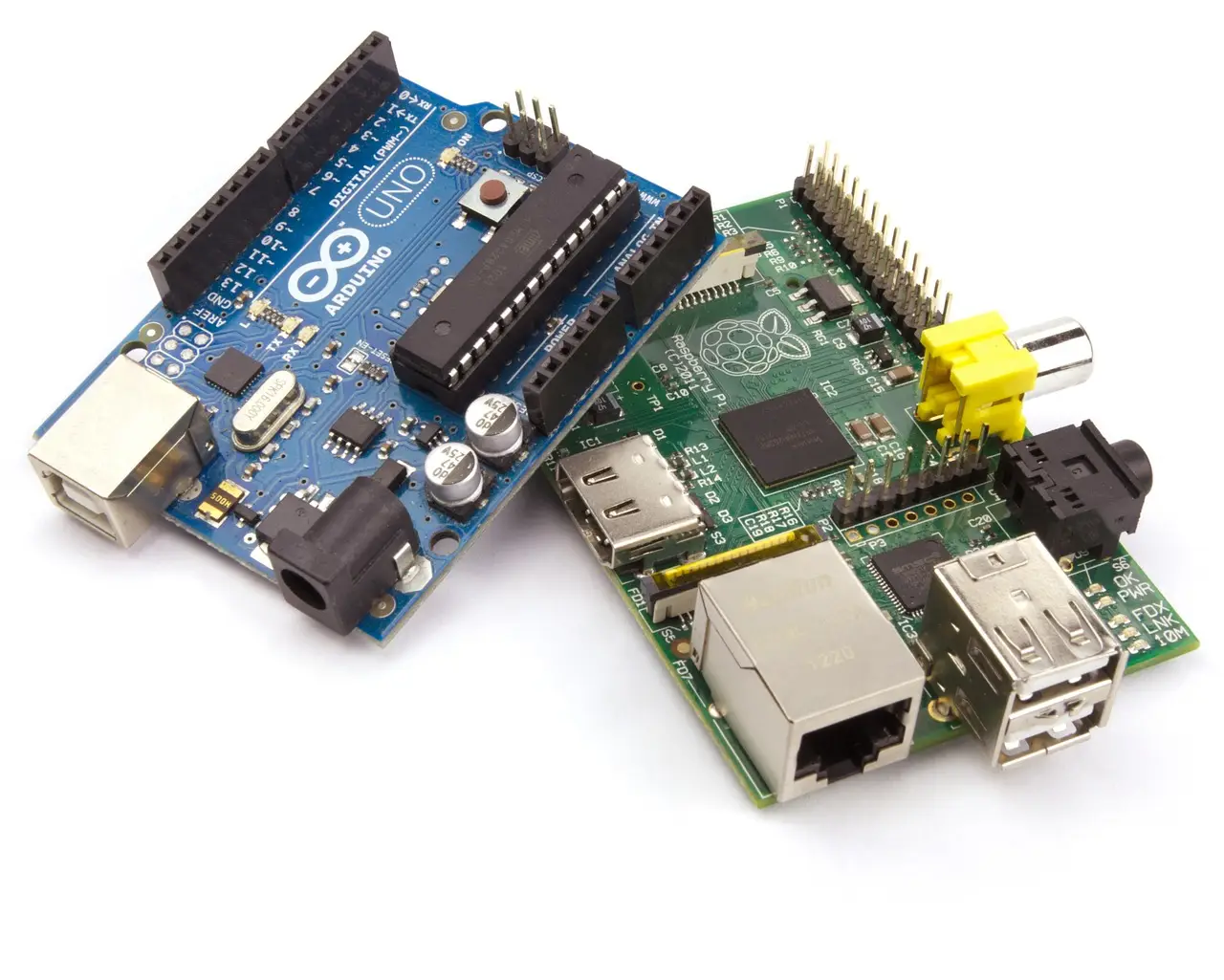
DRAM chip supply to memory module makers could drop by more than 70% year-on-year in 2027. That warning comes from the CEO of Apacer, a Taiwanese memory module manufacturer, in remarks reported by Yahoo Finance.
The figure is stark. A cut of that size would not trim module makers' allocations at the margin — it would gut them, leaving a fraction of current chip supply available to companies that assemble DRAM into finished modules and drives.
Who said it, and why it matters
Apacer's chief executive made the projection directly, on the record. The claim concerns 2027, so it's a forward-looking forecast rather than a confirmed allocation letter. Still, the source is notable: a module maker's CEO sits on the receiving end of chip allocations from the big DRAM manufacturers, and knows what his supply pipeline looks like.
The warning centers on demand — the headline points to demand dynamics as the driver behind the projected supply squeeze. Module makers buy bare DRAM chips from the major memory producers, then build them into branded modules for PCs, servers and industrial systems.
What does this change for module makers?
If the projection holds, module makers face a supply cliff. Fewer chips means:
- Less product to ship, regardless of demand on their side
- Sharper competition for whatever allocation remains
- Pressure to secure supply contracts early, or pivot toward other memory types
For Apacer itself, the CEO's decision to voice the number publicly signals how seriously the company takes the risk. Module houses rarely broadcast expected supply shortfalls unless they want customers, investors or partners to brace for impact.
The context behind the number
DRAM supply is controlled by a small set of producers. When they tighten output or redirect chips — often toward higher-margin buyers such as AI and datacenter customers — module makers sit low in the queue. A projected 70% cut for 2027 implies producers plan to keep the bulk of their output for other channels.
The forecast timeline matters too. A 2027 date gives the industry roughly a planning window of well over a year, but memory contracts and capacity decisions are made long in advance. Module makers would need to act well before the squeeze arrives.
What to watch next
One CEO's forecast isn't an allocation schedule. Watch for confirmation signals: official capacity announcements from DRAM producers, contract pricing shifts, and whether other module makers echo the same number. If a second or third module house reports similar expectations, the 70% figure stops being one executive's warning and starts being the industry's baseline.
Until then, it's the sharpest supply warning issued to date about the 2027 DRAM market — from a buyer with direct visibility into what the chipmakers intend to ship him.
By Grace Kim, Die Signal
via Google News: DRAM chip (Source)
More from Grace Kim
Show full bio
Market editor covering regulation, policy and their impact on hardware layer of artificial intelligence at Die Signal.
431 articles
Same lot · LOT-C1CD
- DSG-258745nmApacer CEO Warns of 70% DRAM Module Supply Drop in 2027
- DSG-106520nmMicron Opens HBM Plant; 2027 Output Fully Sold
- DSG-556565nmMicron CEO: memory supply is "only getting tighter"
- DSG-839914nmAcer CEO: Memory Makers Hype 2030 Shortage to Defend Margins
- DSG-638910nmHuawei Reportedly Weighs DRAM Production to Address Memory Shortage