Test report DSG-1982 · Rev E · tested October 16, 2026
Supply Chain & PolicyDevice under test
AI Chip Demand Is Squeezing Transpacific Air Cargo Capacity
AI hardware demand is absorbing transpacific air cargo capacity, AeroXplorer reports. The squeeze raises rates and lengthens booking windows for other shippers on the lane.
- Read
- 3 min
- Words
- 673
- Node
- 45nm
- Operator
- Marcus Bennett
Spec summary
- AeroXplorer reports the AI chip boom is squeezing transpacific air cargo capacity.
- The affected corridor links Asian chip manufacturing to North American data-center construction.
- AI hardware's high value per kilogram lets it outbid traditional air-freight shippers.
- Only the headline was available; the report's specific figures were not carried in the feed.
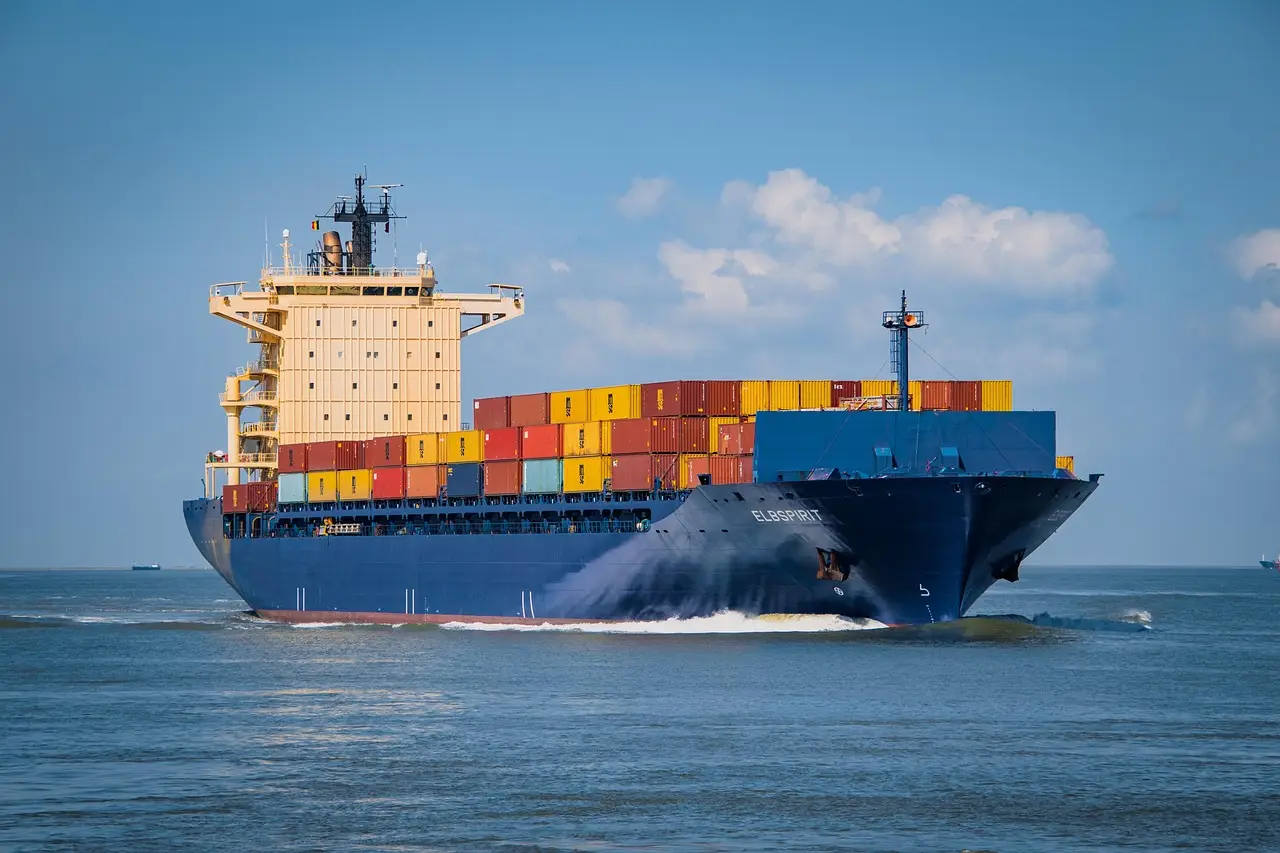
Artificial intelligence hardware is tightening transpacific air freight, according to a report by AeroXplorer. The title of the piece states the core claim plainly: the AI chip boom is squeezing air cargo capacity between Asia and North America.
This site cannot verify the full figures in the original article, because the syndicated feed carried only the headline and the publication name. What follows is what the headline itself establishes, and what it implies for shippers and carriers.
What does the headline actually tell us?
Three facts stand out.
-
The driver is AI chips and related data-center hardware.
-
The affected market is the transpacific corridor, the busiest air-cargo lane between Asian manufacturing hubs and North American buyers.
-
The effect is a squeeze, which in freight terms means capacity is being absorbed faster than it is being added.
AI accelerators and the servers built around them share one trait that matters to freight planners: urgency. Chips fabricated in East Asia move to assembly sites, then to data centers on tight deployment schedules. When demand for that hardware rises quickly, the cargo holds of passenger flights and dedicated freighters fill up first.
How does a chip boom reach the cargo deck?
The mechanism is simple. Air freight is a fixed-capacity market in the short term. The number of freighter aircraft and belly-hold seats on a given route changes slowly. When one category of shipper bids aggressively for space, everyone else pays more or waits longer.
High-value semiconductors can absorb those rate increases better than most goods. A pallet of AI hardware is worth far more per kilogram than consumer goods. Its owners will outbid traditional air-freight users — electronics retailers, apparel brands, perishables — without much strain.
That is the squeeze. It is a relative-price story, not a physical shortage of aircraft.
What does this change for shippers on other lanes?
The practical question most readers will ask: what does this change for freight that is not AI hardware? The headline implies pressure, and the mechanism suggests where it lands.
Shippers of ordinary goods on transpacific routes face three likely effects, in rough order of certainty:
-
Higher rates, as premium cargo sets the clearing price for limited space.
-
Reduced capacity availability, especially on peak-demand days.
-
Longer booking windows, as forwarders prioritize high-yield freight.
Shippers outside the transpacific corridor may feel indirect effects. Aircraft and crews are fungible across networks. If carriers shift capacity toward the Pacific to chase AI-related yields, other lanes can thin out.
Why the corridor matters
The transpacific lane connects the world's semiconductor manufacturing cluster in East Asia to the largest concentration of AI data-center construction in North America. The AI buildout has concentrated enormous compute demand in a small number of markets. The hardware feeding that buildout originates, for the most part, on the other side of the ocean.
Ocean freight can carry servers, but not on AI deployment timelines. Operators commissioning compute capacity work against contract deadlines and power-availability windows. Air freight is the only mode that fits. That keeps demand for cargo space rigid even as rates rise.
What we do not yet know
Honesty requires a caveat. The syndicated version of this story reached us as a headline only. It contains no rates, no tonnage figures, no carrier names and no quoted executives. We have not reproduced any numbers here, because none were available to us.
Readers who need the specific figures — capacity percentages, rate movements, load factors — should consult the full AeroXplorer report directly. The direction of the story, however, is clear from its own framing: AI hardware has become a structural demand factor in transpacific air cargo, and it is crowding the market.
For freight buyers, the takeaway is procedural rather than numerical. Watch transpacific rates as a leading indicator. Treat AI hardware demand as a durable input, not a seasonal spike. And book earlier than felt necessary last year.
Die Signal will update this story if the full dataset from the original report becomes available.
via Google News: AI chip (Source)
More from Marcus Bennett
Show full bio
News editor covering regulation, policy and their impact on hardware layer of artificial intelligence at Die Signal.
443 articles
Same lot · LOT-C1CC
- DSG-297565nmAI and semiconductors drive June air cargo demand
- DSG-352514nmGlobalFoundries Secures $2 Billion TSMC Deal for US AI Chip Packaging
- DSG-905728nmTSMC Posts Record Revenue, Up 50%, on AI Chip Demand
- DSG-286265nmTSMC Shares Rise on 88.7-Hectare Advanced Packaging Push
- DSG-652328nmTSMC Accelerates Arizona Build-Out to Ride AI 'Megatrend'